Dog Breeds and Prey Drive: What You Need to Know Before Introducing Other Pets
Introducing a new pet into your home is an exciting step, but it comes with important considerations—especially if your dog has a strong prey drive. Understanding how your dog’s breed influences their natural instincts can make the difference between a smooth introduction and a stressful, unsafe situation. This guide will help you recognize what prey drive means, which breeds tend to have higher prey drives, and how to safely introduce other pets into a household with a prey-driven dog.

What Is Prey Drive?
Prey drive is an animal’s instinctual inclination to chase, capture, and sometimes kill smaller animals. In dogs, this behavior is a legacy of their wolf ancestors and was honed by selective breeding for tasks like hunting, herding, or guarding.
Prey drive isn’t the same as aggression—it’s about the chase and capture instinct rather than intent to harm out of fear or dominance. However, unchecked prey drive can lead to problems when a dog encounters smaller animals such as cats, rabbits, birds, or even squirrels.
Breeds Known for High Prey Drive
Some breeds were specifically bred to have strong prey drives, which helps them excel in hunting or herding roles. These include:
-
Terriers (e.g., Jack Russell, Cairn Terrier, Fox Terrier): Bred to hunt vermin, they often have intense drive to chase small animals.
-
Hounds (e.g., Beagles, Bloodhounds, Greyhounds): Used for tracking and chasing prey by scent or sight.
-
Sight Hounds (e.g., Whippets, Greyhounds): Their instinct to chase moving objects is very strong.
-
Herding Breeds (e.g., Border Collies, Australian Shepherds): Their herding instinct can sometimes translate into chasing behavior.
-
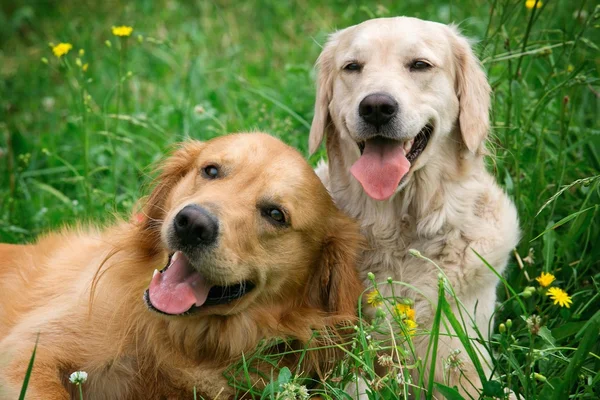
Sporting Breeds (e.g., Retrievers, Spaniels): Bred to flush or retrieve game, though often more manageable.
This doesn’t mean every dog of these breeds will chase or harm other pets, but it’s a tendency to be aware of.
Breeds Generally Known for Lower Prey Drive
Some breeds have a more laid-back temperament and lower prey drive, such as:
-
Bulldogs and Mastiffs: More focused on guarding and companionship.
-
Basset Hounds: Often relaxed and less reactive.
-
Newfoundlands: Gentle giants with calm dispositions.
-
Many companion breeds: Such as Cavalier King Charles Spaniels or Pugs.
Again, individual dogs vary, but these breeds tend to have less chasing instinct.
How Prey Drive Affects Introducing Other Pets
When you bring smaller animals into a home with a dog that has a strong prey drive, there are potential risks:
-
Chasing and Stalking: Your dog might instinctively pursue small pets.
-
Stress and Anxiety: The smaller animal may become fearful or stressed, escalating tensions.
-
Potential Injury: If the chase escalates, injuries can occur to either pet.
Tips for Introducing Pets When Prey Drive Is High
1. Know Your Dog’s Limits
Evaluate your dog’s behavior around small animals before bringing them home. Have they shown chasing or predatory behaviors? Are they easily distracted or fixated?
2. Use Controlled, Gradual Introductions
Start introductions with the new pet safely contained (e.g., in a crate or behind a baby gate) while your dog is on leash and under control.
3. Train Impulse Control
Teach your dog cues like “Leave It,” “Stay,” and “Watch Me” to help manage their focus and reduce chasing impulses.
4. Never Leave Pets Unsupervised
Until you are confident that all animals can coexist safely, supervise all interactions to prevent accidents.
5. Manage the Environment
Provide escape routes and safe spaces for smaller pets. Keep their food and bedding separate to reduce resource guarding.
6. Consult Professionals When Needed
If your dog’s prey drive is intense or if you’re unsure how to manage introductions, seek help from a certified dog trainer or behaviorist experienced in multi-species households.
Recognizing Individual Differences
While breed tendencies provide a useful guide, remember every dog is an individual. Some high-prey-drive breeds may live peacefully with cats and small animals when properly trained and socialized. Conversely, a dog from a low-prey-drive breed may still react negatively due to personality, past experiences, or lack of socialization.
Always monitor your dog’s unique behavior rather than relying solely on breed stereotypes.
Unlock your dog’s full potential with expert training from Off Leash K9 Training – Milwaukee. Our proven system, used across over 130 locations nationwide, helps dogs of all breeds, sizes, and ages achieve exceptional obedience without a leash. Discover the joy of a well-trained dog that you can take anywhere. Contact us today at (414) 485-0202 to find the perfect training program for you and your canine companion!