Pre- and Post-Training Nutrition Tips for Your Dog
Successful training requires more than just commands and consistency—your dog’s nutrition plays a critical role in their energy, focus, and recovery. Feeding your dog appropriately before and after training sessions can improve their stamina, help them learn better, and support overall health.
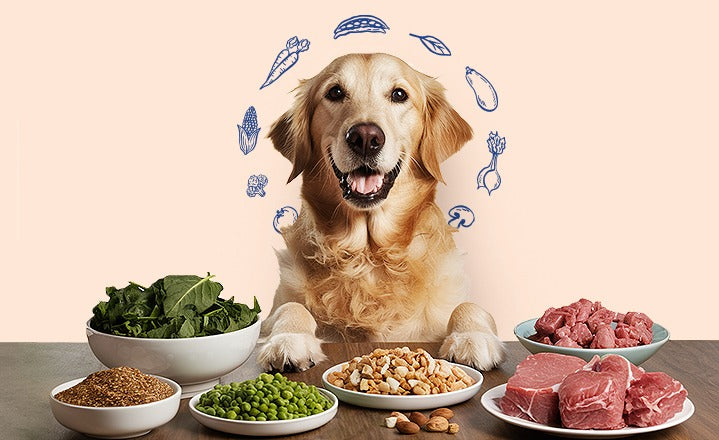
Here’s a practical guide on what and when to feed your dog around training to set them up for success.
Pre-Training Nutrition: Fueling for Focus and Energy
The right pre-training meal or snack ensures your dog has enough energy and mental clarity to engage actively.
When to Feed
-
Ideally, feed your dog a light meal 1 to 2 hours before training.
-
Avoid feeding a large meal immediately before activity to prevent discomfort or sluggishness.
What to Feed
-
Balanced meals with protein, moderate healthy fats, and complex carbohydrates provide sustained energy.
-
Good options include:
-
Lean meats like chicken or turkey
-
Brown rice, sweet potatoes, or oats
-
Vegetables like carrots or green beans (in moderation)
-
-
If your dog trains multiple times a day, consider small, frequent meals rather than one large portion.
Pre-Training Snacks
-
Offer small, easily digestible snacks or treats during training to maintain motivation.
-
Use high-value, protein-rich treats like boiled chicken pieces or freeze-dried liver.
-
Avoid sugary or high-fat treats that can cause energy spikes and crashes.
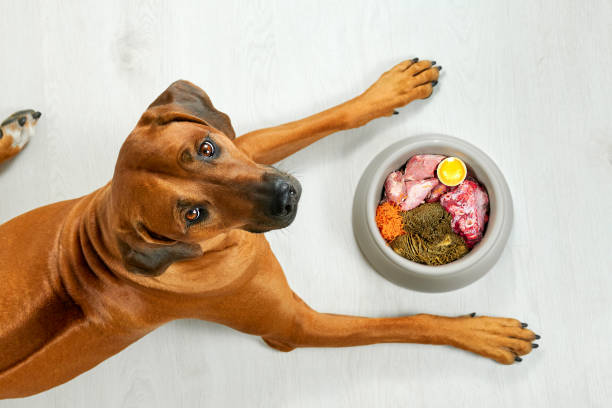
Post-Training Nutrition: Supporting Recovery and Health
After training, your dog’s body needs the right nutrients to recover muscle tissue, replenish energy stores, and stay hydrated.
When to Feed
-
Offer food within 30 to 60 minutes after training to maximize recovery benefits.
-
Make sure fresh water is always available before, during, and after training.
What to Feed
-
Meals rich in protein support muscle repair and growth.
-
Incorporate complex carbohydrates to replenish energy.
-
Healthy fats aid in reducing inflammation and supporting overall wellness.
-
Examples:
-
A balanced kibble or wet food formulated for active dogs
-
Cooked lean meats combined with sweet potatoes or brown rice
-
Small amounts of healthy oils like fish oil or flaxseed oil (consult your vet)
-
Post-Training Treats
-
Use treats that promote health and aid recovery, such as those containing antioxidants or omega-3 fatty acids.
-
Avoid heavy or greasy snacks that might upset your dog’s stomach.
Additional Tips for Optimal Nutrition and Training Success
-
Hydration: Water is vital before, during, and after training. Dehydration can negatively affect focus and physical performance.
-
Consistency: Keep your dog on a regular feeding schedule to maintain energy balance.
-
Portion Control: Adjust your dog’s daily calorie intake to account for treats given during training to avoid weight gain.
-
Monitor Your Dog: Every dog is unique. Pay attention to how your dog responds to different foods and adjust accordingly.
Unlock your dog’s full potential with expert training from Off Leash K9 Training – Milwaukee. Our proven system, used across over 130 locations nationwide, helps dogs of all breeds, sizes, and ages achieve exceptional obedience without a leash. Discover the joy of a well-trained dog that you can take anywhere. Contact us today at (414) 485-0202 to find the perfect training program for you and your canine companion!