Puppy Socialization Done Right: Avoiding Fear and Aggression Later
Socialization is one of the most important steps you can take to raise a well-adjusted, confident dog. Puppies who experience a wide variety of people, places, sounds, and other animals during their formative weeks tend to grow into dogs who handle new situations calmly and with curiosity, rather than fear or aggression.
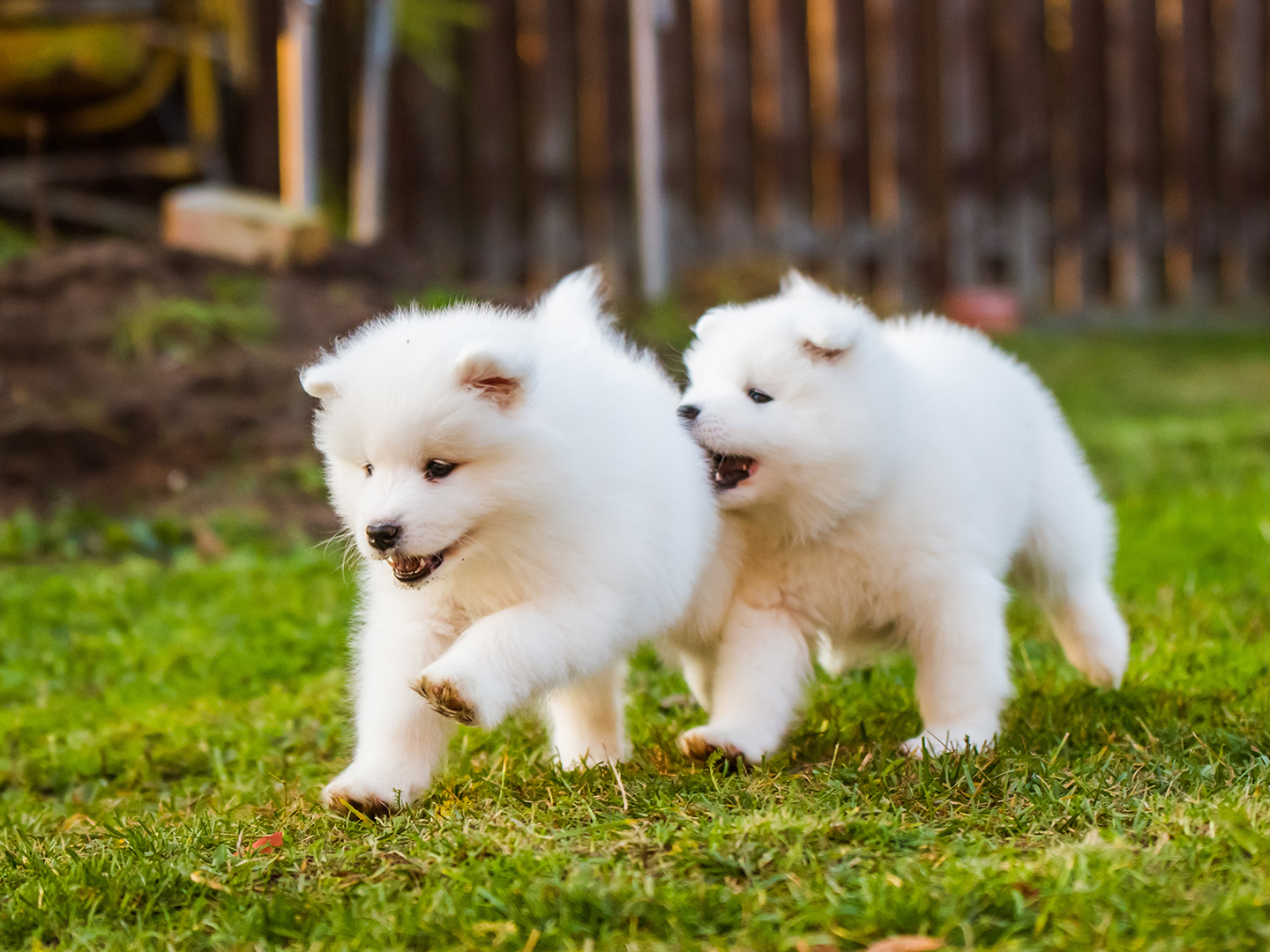
Getting socialization right early on isn’t just about avoiding bad behavior—it’s about building a foundation of trust and resilience that lasts a lifetime.
Why Is Socialization So Important?
Fear and aggression in dogs often stem from a lack of proper early social experiences. When puppies miss out on meeting new environments or individuals during a critical developmental window (usually between 3 and 14 weeks), they may grow fearful or reactive when exposed later in life.
Socialization teaches puppies that the world is generally safe and interesting. It helps them learn how to respond appropriately to unfamiliar stimuli rather than with anxiety or aggression.
Key Principles for Effective Puppy Socialization
1. Start Early, But Safely
The prime socialization period is roughly between 3 and 14 weeks of age. During this time, puppies are most open to new experiences. However, it’s also a vulnerable time for their immune systems.
-
Prioritize safe environments—avoid high-risk areas until your puppy’s vaccinations are complete.
-
Invite vaccinated, friendly dogs over for supervised play.
-
Use controlled introductions and always watch your puppy’s body language.
2. Expose Your Puppy to a Variety of Stimuli
Socialization isn’t just meeting other dogs. It’s exposing your puppy to:
-
Different types of people (children, adults, people wearing hats or sunglasses)
-
Various environments (busy streets, parks, quiet neighborhoods)
-
Sounds (vacuum cleaners, traffic, doorbells)
-
Surfaces (grass, concrete, tile, gravel)
-
Objects (umbrellas, bicycles, wheelchairs)
Aim for positive, low-pressure experiences to build positive associations.
3. Keep Experiences Positive and Controlled
Never force your puppy into situations that frighten them. Let them approach new people or things at their own pace.
Use treats, praise, and calm encouragement to create positive memories. If your puppy seems overwhelmed, remove them from the situation and try again later.
4. Practice Gentle Handling
Get your puppy used to being touched in ways they will encounter throughout life—ears checked, paws handled, teeth brushed, and nails trimmed. This reduces stress during vet visits and grooming sessions.
What to Avoid During Socialization
-
Don’t expose your puppy to aggressive dogs or unsafe environments.
-
Avoid overwhelming your puppy with too many new experiences at once.
-
Never force interactions that cause fear or distress.
-
Don’t skip socialization because of fear about vaccinations—there are many safe ways to socialize indoors or with vaccinated dogs.
Signs Your Puppy Needs More Socialization
-
Fearful reactions to new people or dogs
-
Excessive barking or growling when faced with unfamiliar situations
-
Hiding or freezing when introduced to new environments
-
Difficulty calming down after new experiences
If you notice these signs, focus on gradual, positive exposure and consider consulting a professional trainer or behaviorist.
Unlock your dog’s full potential with expert training from Off Leash K9 Training – Milwaukee. Our proven system, used across over 130 locations nationwide, helps dogs of all breeds, sizes, and ages achieve exceptional obedience without a leash. Discover the joy of a well-trained dog that you can take anywhere. Contact us today at (414) 485-0202 to find the perfect training program for you and your canine companion!