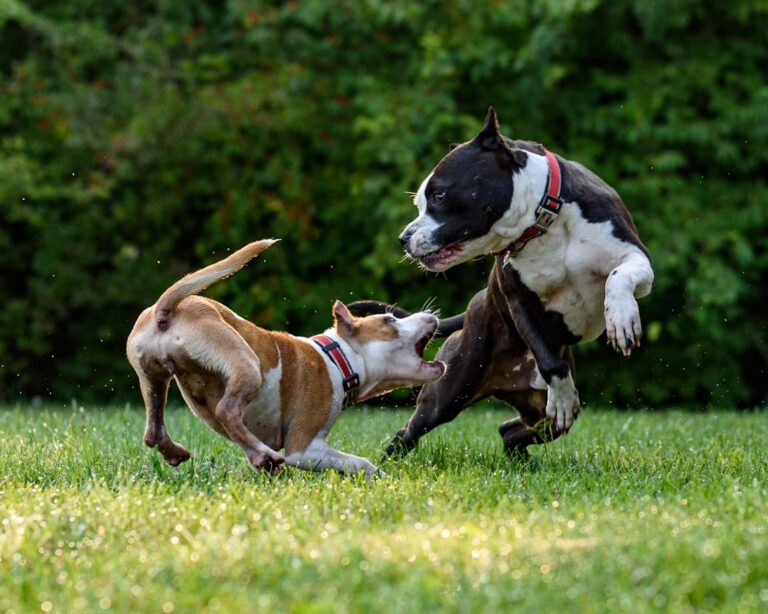
Socializing Your Rescue Dog with Other Pets and People
Socializing a rescue dog takes patience, strategy, and empathy. Unlike puppies who grow up with consistent exposure, rescue dogs may carry fear, uncertainty, or past negative experiences into new interactions. The goal isn’t to force friendliness — it’s to build confidence and neutrality in a safe, controlled way.

When done correctly, socialization strengthens trust, reduces anxiety, and helps your dog feel secure in a variety of environments.
What Socialization Really Means
Socialization does not mean overwhelming your dog with new experiences.
It means:
-
Gradual exposure
-
Positive associations
-
Controlled environments
-
Respecting boundaries
Organizations like ASPCA emphasize that socialization should reduce fear — not create it.
For rescue dogs, progress may be slower than with puppies, and that’s completely normal.
Start with Foundation Work at Home
Before introducing new people or pets, your dog should:
-
Respond to their name
-
Understand basic cues like “sit” and “come”
-
Walk calmly on a leash
-
Show comfort in your home environment
Structure builds confidence. A predictable routine lowers stress and prepares your dog for new experiences.
Introducing Your Rescue Dog to New People
1. Keep First Meetings Calm
Choose a quiet setting with minimal distractions. Ask visitors to:
-
Avoid direct staring
-
Turn slightly sideways instead of facing the dog head-on
-
Let the dog approach first
-
Speak in calm tones
The American Kennel Club recommends allowing dogs to initiate contact to prevent fear-based reactions.
If your dog chooses not to engage, that’s okay. Neutral is success.
2. Use Positive Reinforcement
Reward calm behavior immediately:
-
Treats for relaxed body language
-
Praise for gentle sniffing
-
Distance from the person if needed
Never force physical contact. Trust grows when your dog feels in control.
Introducing Other Dogs
Dog-to-dog introductions require planning.
Neutral Territory First
Meet in a neutral location such as a quiet park rather than inside your home. Keep both dogs on loose leashes.
Watch for positive signals:
-
Loose, wagging tail
-
Play bows
-
Relaxed posture
-
Curiosity without stiffness
If either dog stiffens, freezes, or growls, create space calmly.
Parallel Walking
Walk both dogs side-by-side at a comfortable distance before allowing direct interaction. This reduces pressure and builds familiarity gradually.
Short, positive interactions are better than long, stressful ones.
Introducing Cats or Small Pets
If you have cats or small animals:
-
Use baby gates for visual separation
-
Keep initial interactions brief
-
Reward calm behavior
-
Never allow chasing
Prey drive varies by individual dog, so supervision is critical.
Some rescue dogs may require weeks of slow exposure before safe coexistence is possible.

Reading Body Language
Understanding subtle signals prevents problems.
Signs of comfort:
-
Soft eyes
-
Relaxed ears
-
Loose body movement
-
Curved approach rather than direct
Signs of stress:
-
Lip licking
-
Yawning in tense situations
-
Tucked tail
-
Hard staring
-
Stiff posture
If stress signals appear, calmly remove your dog from the situation.
Avoid Common Socialization Mistakes
Do not:
-
Take your dog to crowded events too soon
-
Force interaction at dog parks
-
Punish fearful reactions
-
Allow uncontrolled greetings
The Humane Society of the United States notes that overwhelming exposure can increase fear and reactivity rather than reduce it.
Quality matters more than quantity.
Be Patient with Progress
Some rescue dogs become social quickly. Others may always prefer limited interaction. The goal is not to create a dog who loves everyone — it’s to create a dog who feels safe and stable.
Celebrate milestones such as:
-
Calmly observing strangers
-
Ignoring another dog on a walk
-
Greeting one familiar visitor confidently
Each small success builds resilience.
When to Seek Professional Help
Consider working with a certified, force-free trainer if your dog shows:
-
Aggression toward people or animals
-
Extreme fear or shutdown behavior
-
Persistent reactivity
Early support prevents long-term behavioral challenges.
Unlock your dog’s full potential with expert training from Off Leash K9 Training – Milwaukee. Our proven system, used across over 130 locations nationwide, helps dogs of all breeds, sizes, and ages achieve exceptional obedience without a leash. Discover the joy of a well-trained dog that you can take anywhere. Contact us today at (414) 485-0202 to find the perfect training program for you and your canine companion!