Safe Puppy Playdates: How to Introduce Dogs the Right Way
Puppy playdates are a fun and enriching way to support your dog’s social development. But not all introductions go smoothly—and without the right setup, a playful meeting can quickly turn into a stressful experience for both pups and humans.
The key to successful dog-to-dog introductions lies in planning, observation, and patience. In this post, we’ll guide you through how to safely introduce your puppy to other dogs for a positive and confidence-building experience.
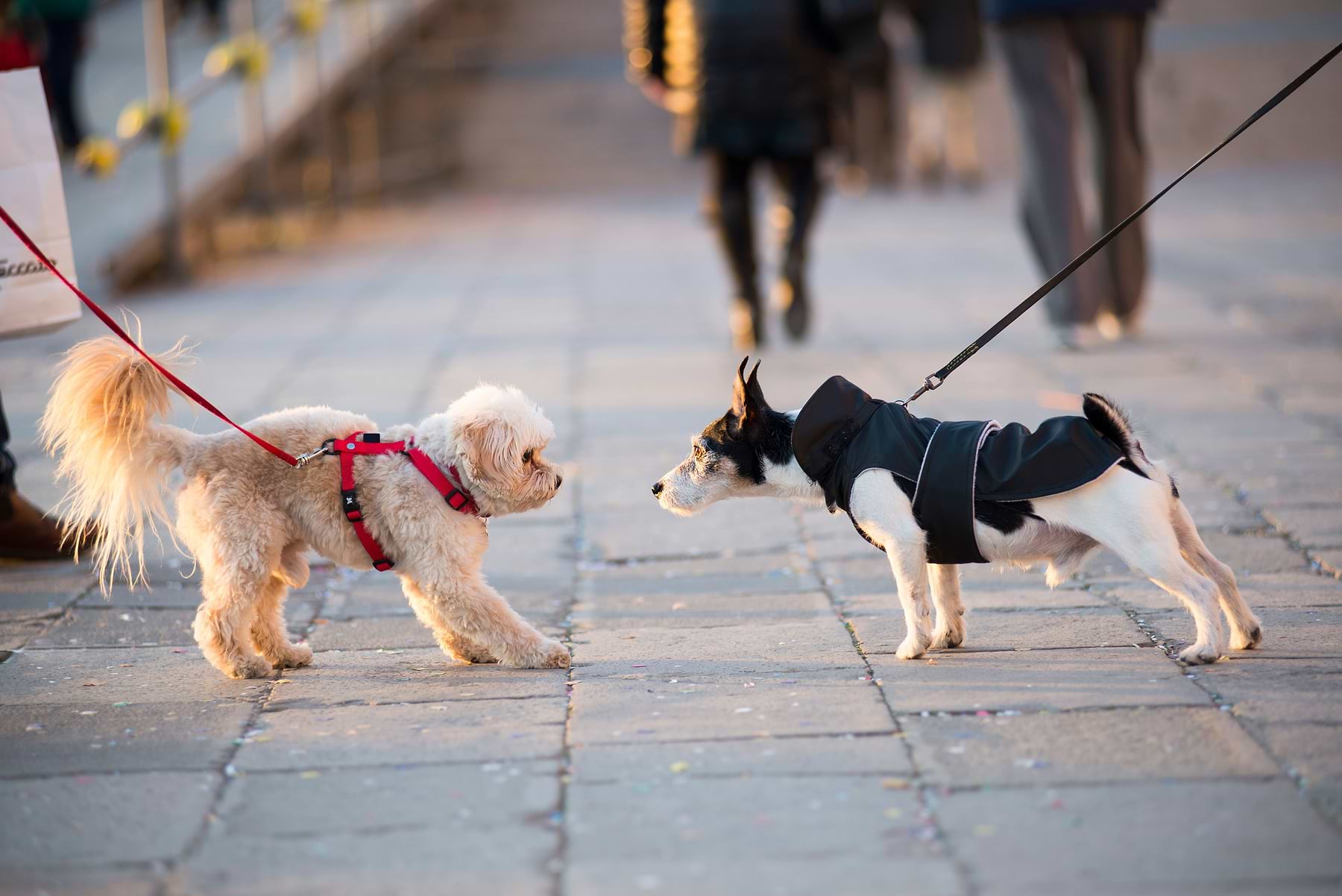
Why Playdates Matter for Puppies
Social play teaches puppies:
-
Canine communication skills
-
Impulse control and bite inhibition
-
Confidence around other dogs
-
Appropriate boundaries and play styles
These lessons are crucial during the critical socialization window (typically between 3–14 weeks of age), though socialization remains valuable throughout adolescence.
Step-by-Step Guide to a Safe Puppy Introduction
1. Choose the Right Playmate
Not every dog is a good match. Select a playmate who is:
-
Vaccinated and healthy
-
Calm and well-socialized
-
Size- and energy-level appropriate
-
Known to be gentle with puppies
Avoid pairing your pup with overly dominant, fearful, or rough dogs, as negative interactions can lead to anxiety or aggression later.
2. Meet on Neutral Ground
Start the introduction in a neutral, low-distraction environment—such as a quiet park or fenced yard unfamiliar to both dogs. This reduces territorial behavior and tension.
Avoid high-traffic dog parks for first meetings; they can be chaotic and overwhelming.
3. Begin with Parallel Walking
Keep both dogs on-leash and walking side by side, about 10–15 feet apart. Gradually close the distance as both dogs relax. This lets them get used to each other’s presence without direct pressure.
Watch for loose body language: wagging tails, wiggly bodies, relaxed mouths, and soft eyes.
4. Let Them Sniff (Briefly)
When both dogs seem comfortable, allow a brief greeting. Use loose leashes to avoid tension and let the dogs sniff each other’s sides or rear. Avoid face-to-face greetings, which can feel confrontational.
Keep greetings short (a few seconds), then calmly separate. Repeat several short greetings to build comfort.
5. Move to Off-Leash Play (If Ready)
If the dogs are calm and showing friendly interest, you can move to off-leash interaction in a secure area. Drop the leashes only if both pups appear comfortable and confident.
Monitor body language closely. Healthy play includes:
-
Role reversals (taking turns chasing or being chased)
-
Play bows
-
Pauses or breaks
-
Loose, bouncy movement
Interrupt if play becomes too intense or if one dog tries to escape repeatedly.
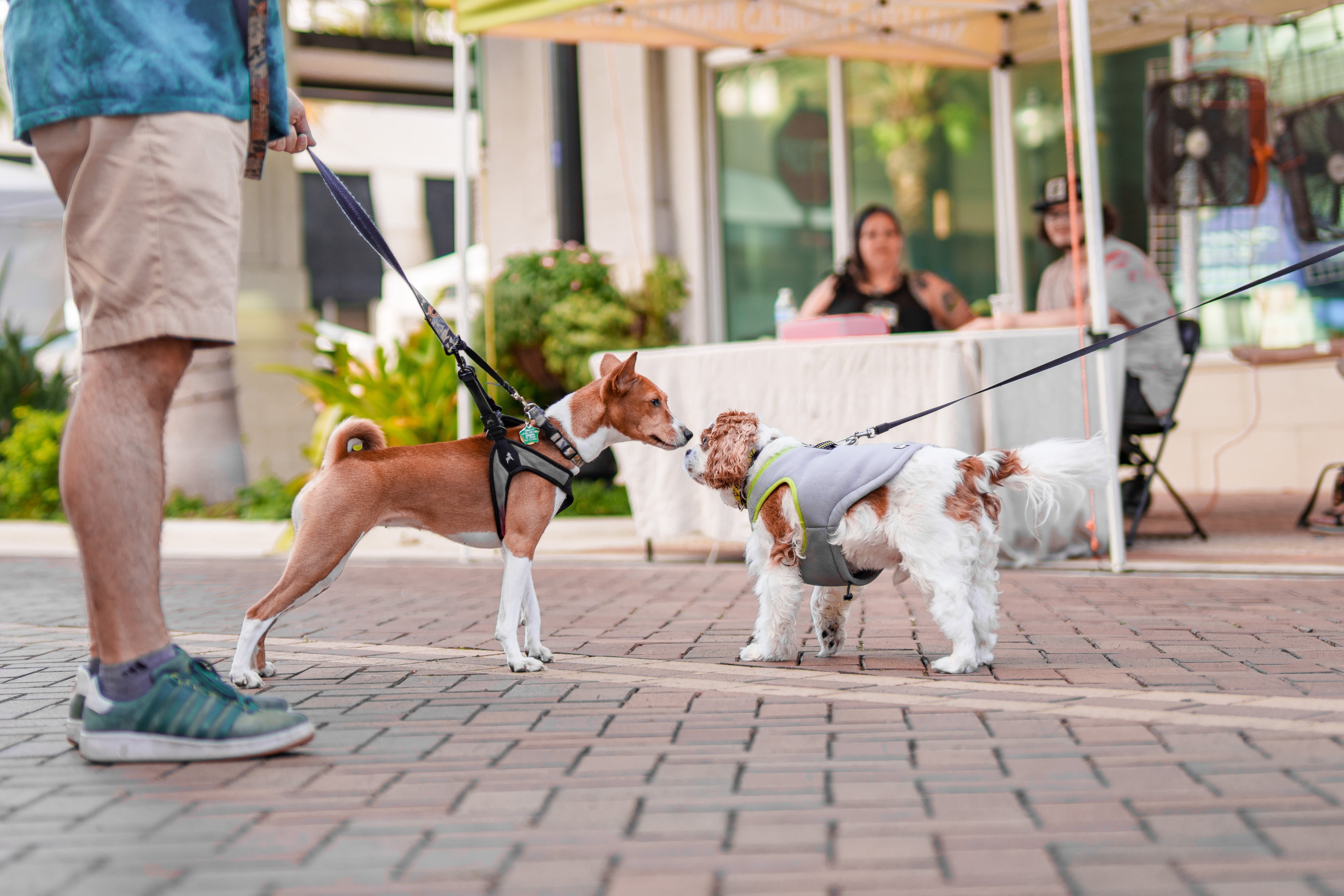
Red Flags to Watch For
Intervene or end play if you see:
-
Stiff posture or raised hackles
-
Hard stares or growling
-
Tucked tail or cowering
-
Pinning or repeated mounting
-
One-sided chasing without breaks
It’s always better to step in early and prevent fear or tension from escalating.
Tips for a Successful Playdate
-
Keep sessions short—15 to 30 minutes is plenty, especially for young puppies.
-
Offer breaks with water, praise, and toys.
-
Avoid high-value treats or toys that could trigger guarding behavior.
-
Debrief afterward with a walk or cuddle time to wind down.
Positive experiences now create lasting confidence and good social habits.
Unlock your dog’s full potential with expert training from Off Leash K9 Training – Milwaukee. Our proven system, used across over 130 locations nationwide, helps dogs of all breeds, sizes, and ages achieve exceptional obedience without a leash. Discover the joy of a well-trained dog that you can take anywhere. Contact us today at (414) 485-0202 to find the perfect training program for you and your canine companion!