The Ultimate Guide to Dog-Child Safety: Building Trust and Understanding
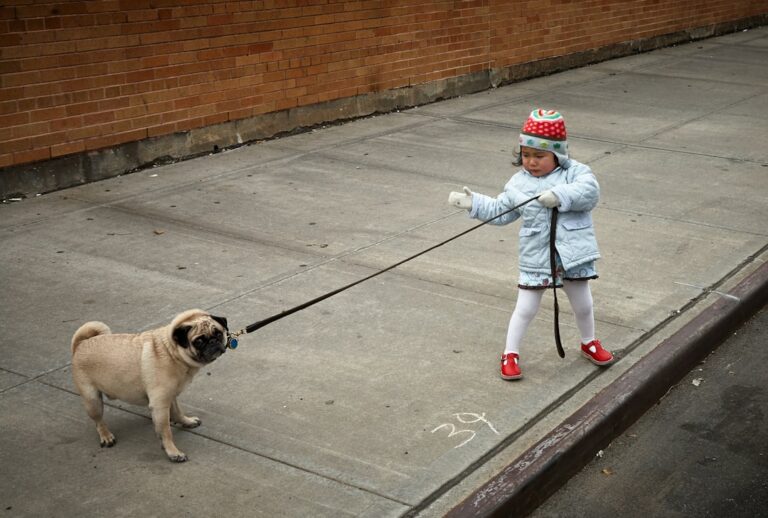
Creating a safe environment where dogs and children can coexist harmoniously is a crucial responsibility for every family. The key to successful dog-child relationships lies in understanding, trust, and proper guidance. Are you concerned about ensuring safe interactions between your furry friend and little ones? You’re not alone. Many families struggle with this delicate balance, but with the right approach, it’s absolutely achievable. In this comprehensive guide, we’ll explore proven strategies for: • Teaching children how to respect and safely interact with dogs • Training your dog to be comfortable around children • Recognizing and responding to stress signals • Building positive associations through proper supervision Whether you’re a new parent with a dog or introducing a new pet to your children, this guide will help you create a foundation of mutual respect and understanding. Let’s discover how to make your home a safe, happy space for both your children and four-legged family members.

Understanding Dog Behavior Around Children
Dogs communicate primarily through body language, making it crucial for parents and caregivers to understand these silent signals. When children are around, dogs often display subtle cues that indicate their comfort level or distress.
Reading Canine Body Language
Understanding dog body language is your first line of defense in preventing uncomfortable situations between dogs and children. A relaxed dog typically has a loose body posture, with their tail held in a natural position and ears in their regular state.
The first sign of stress in dogs might include lip licking, yawning, or turning their head away. These subtle signals often go unnoticed but are important indicators that your dog needs space. A nervous type of dog may show more obvious signs like:
– Whale eye (showing whites of their eyes)
– Stiff body posture
– Raised hackles
– Tucked tail
– Excessive panting
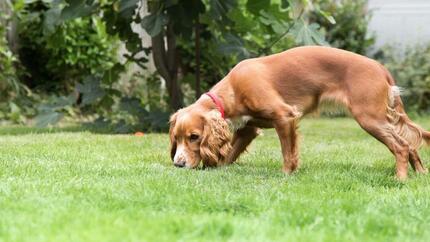
When dogs feel overwhelmed by children’s presence, they might retreat to a quiet space or show displacement behaviors like scratching or sniffing the ground. These are natural calming signals that dogs use to communicate their discomfort.
Watch for positive body language too. A happy dog interacting with children will show:
– Relaxed, wiggling body
– Soft eye contact
– Gentle tail wagging
– Play bows
– Calm breathing
Learning to read and respect these signals helps create safer interactions between dogs and children. Remember that even the most patient dog has limits, and it’s essential to intervene before stress escalates into defensive behavior.
Essential Training Commands for Safe Interactions
Teaching your dog basic commands is fundamental for ensuring safe interactions with children. A well-behaved dog who responds reliably to commands creates a more controlled and secure environment for everyone. Let’s explore essential commands that can help prevent potentially dangerous situations.
Teaching Stop and Retreat Commands
Training your dog to stop and move away on command is crucial for child safety. Start by teaching the ‘stop’ command in a quiet environment, using treats and positive reinforcement. Pair verbal commands with clear hand signals to enhance understanding and response.
Begin with your dog on a leash, walking forward. Give the stop command while simultaneously showing your hand signal – an open palm facing the dog. When they halt, reward them immediately. Practice this repeatedly until your dog responds consistently.
The retreat command teaches your dog to move backward or away from a situation. This is particularly valuable when children become too enthusiastic or crowd your dog’s space. Use a specific word like ‘back’ or ‘away’ combined with a sweeping hand signal.
To practice the retreat command:
– Start with your dog facing you
– Give the command and take a step toward them
– Reward them when they move backward
– Gradually increase the distance they need to retreat
– Practice in different locations with varying distractions
Remember to:
– Keep training sessions short and positive
– Practice commands regularly to maintain reliability
– Always reward your dog for correct responses
– Use consistent hand signals along with verbal commands
– Gradually introduce distractions to proof the behaviors
Once your dog masters these commands in controlled settings, slowly introduce them in situations with children present. This helps create positive associations while maintaining safety boundaries. A well-behaved dog who understands and responds to these commands can better navigate interactions with children.

Creating Safe Zones and Boundaries
Setting Up Quiet Spaces
Creating dedicated safe zones in your home is essential for maintaining harmony between dogs and children. These spaces serve as peaceful retreats where your dog can relax without feeling overwhelmed or threatened.
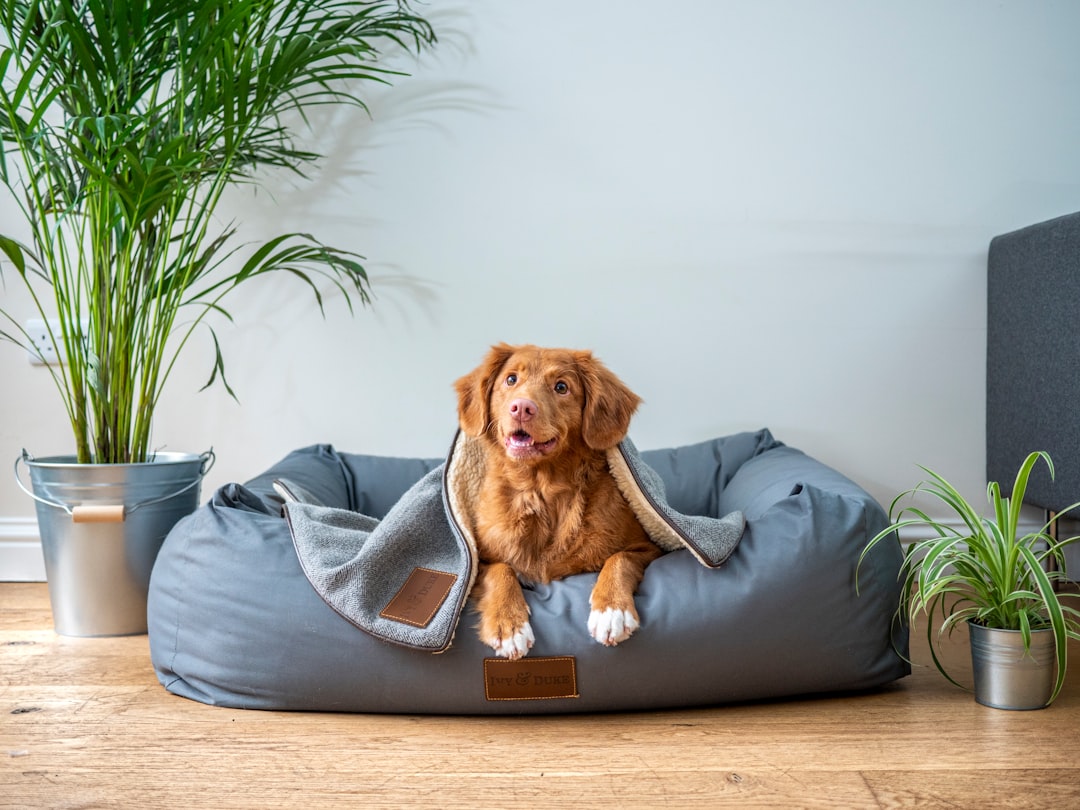
Start by designating a specific area in your home as your dog’s safe zone. This could be a corner of a room, a crate, or even an entire room where your dog can retreat when needed. Make this space comfortable with their bed, favorite toys, and water bowl.
Teaching children to respect these boundaries is crucial. Explain that when the dog is in their safe zone, they should maintain a safe distance and avoid disturbing them. This helps prevent potential stress-related incidents and gives your dog a sense of security.
Constant supervision is still necessary, even with established safe zones. Monitor both your child and dog’s behavior to ensure boundaries are being respected. If you notice your dog frequently retreating to their safe space, it might indicate they need more breaks from interaction.
Consider using baby gates or other barriers to create physical boundaries when needed. These can help manage interactions and prevent children from accessing the dog’s quiet space, especially during feeding times or when the dog needs rest.
Make the safe zone positive by never using it as a punishment area. Instead, encourage your dog to use it as their special retreat by offering treats and praise when they choose to go there. This reinforces the space as a positive environment rather than a place of isolation.
Age-Appropriate Interaction Guidelines
When it comes to dog-child interactions, understanding age-specific guidelines is crucial for ensuring safety and fostering positive relationships. Different age groups require distinct approaches and supervision levels to maintain a harmonious environment.
Special Considerations for Toddlers
Toddlers require the most vigilant supervision when interacting with dogs. A young child at this age lacks the ability to understand subtle dog body language and may unknowingly provoke the animal. Never leave a toddler alone with a dog, even for a brief moment.
For the youngest kid in your family, implement these essential safety measures:
– Always maintain direct physical contact when they’re near the dog
– Keep interactions brief and highly supervised
– Teach basic “gentle touch” techniques using hand-over-hand guidance
– Prevent face-to-face contact between the dog and child
– Remove the child if the dog shows any signs of stress
As children grow older, the guidelines evolve. An older child might demonstrate better self-control, but supervision remains important. Create clear boundaries and rules that both the younger child and the dog can understand and follow.
Teaching toddlers proper interaction techniques:
1. Model appropriate petting behavior
2. Use simple, consistent commands
3. Reward both the child and dog for calm interactions
4. Establish safe zones where the dog can retreat
5. Practice “quiet voice” rules around the dog
Remember that toddlers are unpredictable – they may suddenly grab, squeal, or run, which can startle even the most patient dog. Always position yourself between the dog and child during interactions, ready to intervene if needed.
For successful toddler-dog relationships:
– Schedule interactions during low-energy times
– Keep sessions short (2-3 minutes maximum)
– Always supervise from arm’s length
– Watch for signs of stress in both the dog and child
– End interactions on a positive note
Socializing Dogs with Children
Socializing your dog with children during their early developmental stages, particularly during the dog’s sensitive period between 3-16 weeks, is crucial for fostering positive relationships. This early exposure helps puppies develop confidence and adaptability when interacting with different types of people, especially children.
Controlled Introduction Techniques
Creating successful introductions between dogs and children requires careful planning and execution. Start by exposing your puppy to a variety of person types, including children of different ages, under controlled circumstances. Here’s how to make these introductions effective:
– Always begin in a neutral, quiet space where both the dog and child can feel comfortable
– Keep initial meetings brief, gradually increasing duration as comfort levels improve
– Use positive reinforcement with treats when your dog shows calm behavior around children
– Ensure the child remains calm and follows instructions about proper interaction
It’s essential to expose your dog to different person encounters regularly, but always maintain control of the situation. This might mean having children sit quietly while the dog approaches at their own pace, or teaching children to offer treats with an open palm under adult supervision.
Remember to watch for signs of stress in your dog during these interactions, such as:
– Lip licking
– Turning away
– Yawning
– Showing whites of eyes
– Tucked tail
If you notice any of these signs, create more space between the dog and child, allowing your pet to decompress. Each positive interaction builds upon the last, helping your dog develop lasting comfort around children.

Managing Daily Routines and Activities
Establishing a consistent routine is crucial for maintaining harmony between dogs and children in the household. When you maintain your dog’s regular schedule, it helps create a stable environment where both your pet and children can thrive together.
Structured Play Sessions
Creating organized play sessions between your dog and children helps build positive associations while maintaining safety. These sessions should be carefully planned and supervised to ensure everyone’s comfort and security.
Consider incorporating a dog walker into your daily routine if you’re unable to maintain regular exercise schedules. This helps prevent your dog from becoming overly energetic or frustrated, which could lead to unsafe interactions with children.
It’s essential to stick to your dog’s schedule for feeding, walks, and rest periods. Children should understand and respect these routines, learning that their furry friend needs specific times for different activities. This understanding helps prevent conflicts and creates a more harmonious relationship.
When planning activities, ensure they’re age-appropriate for both the children and the dog. Simple games like fetch or hide-and-seek can be excellent ways to engage both parties while teaching mutual respect and boundaries.
Remember to include quiet time in your dog’s regular schedule. This allows your pet to decompress and prevents overstimulation, which is particularly important in households with active children.
Teaching Children Dog Safety Rules
Teaching children how to safely interact with dogs is crucial for creating harmony in your human family. It’s essential to set ground rules early on, even with the most well-behaved child, to ensure both the child and dog feel comfortable and secure.
Proper Handling and Approach
Children need clear guidance on how to properly approach and handle dogs. Start by teaching them to always ask permission from both the dog’s owner and a parent before petting any dog. This simple rule helps prevent unexpected reactions and keeps everyone safe.
Here are essential rules for children to follow:
– Always approach dogs from the side, not head-on
– Let the dog sniff their hand first
– Pet gently on the chest or side, avoiding the head
– Never hug or squeeze the dog
– Stay away from the dog’s food and toys
– Don’t disturb a sleeping dog
– Keep voices calm and movements slow
Teaching children to recognize when a dog needs space is equally important. Help them understand that dogs, like people, sometimes need quiet time alone. This understanding builds respect and prevents potential conflicts.
Remember to demonstrate these behaviors yourself, as children learn best through example. Practice these interactions in controlled settings, always under close supervision, until they become natural habits.
When introducing new children to your dog, maintain a structured approach:
1. Brief the child on the rules before interaction
2. Show them the correct way to offer treats
3. Monitor their body language and excitement levels
4. Reward both the child and dog for calm behavior
5. Keep initial interactions short and positive
Professional Support and Resources
When to Seek Expert Help
Building a safe relationship between dogs and children sometimes requires professional guidance. If you’re having a difficult time managing interactions or notice persistent behavioral issues, it’s crucial to reach out to experts who can provide specialized support.
Consider seeking professional help if your dog:
– Shows signs of anxiety or aggression around children
– Has a history of negative experiences with kids
– Struggles with basic obedience commands
– Exhibits resource guarding behaviors
– Demonstrates fear or stress during child interactions
Professional dog trainers and behaviorists can provide:
– Customized training plans for your specific situation
– Hands-on demonstration of proper techniques
– Expert evaluation of your dog’s behavior
– Structured socialization programs
– Safety protocols tailored to your family
When you dog walker start looking for professional support, ensure they have experience with child-dog interactions. Take time to interview dog walker candidates and verify their credentials. Look for certifications from recognized organizations and ask for references from families with similar situations.
Local resources that can help include:
– Certified professional dog trainers
– Animal behaviorists
– Veterinary behaviorists
– Dog training schools
– Pet therapy organizations
These professionals can guide you through challenging situations and help establish a foundation for lasting positive relationships between your dog and children. They can also teach both parents and children proper interaction techniques while addressing any specific concerns unique to your family dynamic.
Remember that seeking professional help isn’t a sign of failure – it’s a responsible step toward ensuring the safety and happiness of both your children and your dog.
Unlock your dog’s full potential with expert training from Off Leash K9 Training – Milwaukee. Our proven system, used across over 130 locations nationwide, helps dogs of all breeds, sizes, and ages achieve exceptional obedience without a leash. Discover the joy of a well-trained dog that you can take anywhere. Contact us today at (414) 485-0202 to find the perfect training program for you and your canine companion!